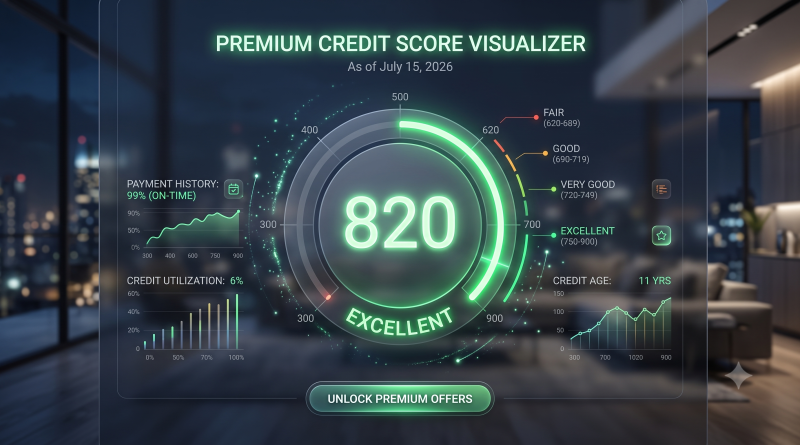
Cracking the 2026 FICO Algorithm: 3 Counter-Intuitive Hacks to Break Past the750 Ceiling
To the average consumer in the US and the UK, the credit scoring system feels like an opaque, frustratingly erratic black box. You pay your auto loans on time, you clear your credit card balances before the due date, and yet you find your score stubbornly anchored in the mid-700s. You are viewed as a “good” borrower, but you are locked out of the ultra-premium, rock-bottom interest rates reserved exclusively for the elite 800+ tier. The reason for this stagnation is simple: the credit bureaus (Equifax, Experian, and TransUnion) do not run a moral grading system; they run a highly specific predictive algorithm. And as we cross into mid-2026, those algorithms have become tighter, placing an immense weight on variables that most retail banks never disclose to their standard retail customers.
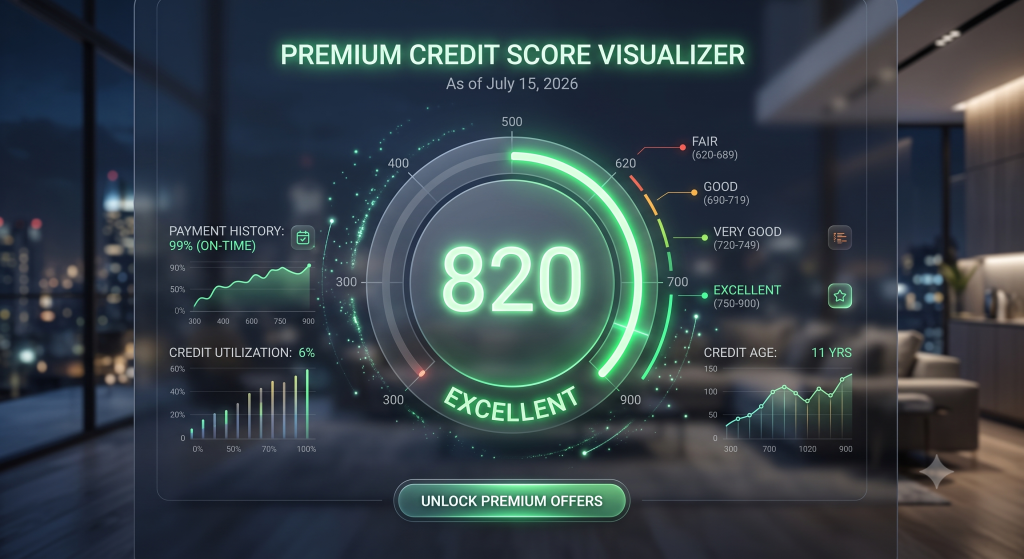
The first major structural secret revolves around the “Statement Closing Date vs. Payment Due Date” paradox. Most individuals assume that as long as they pay their full statement balance by the official due date, their credit utilization is reported as zero percent. This is a massive, costly misunderstanding. Banks do not report your balance on your due date; they report it to the bureaus on your statement closing date, which typically occurs 20 to 25 days earlier. If you run
large balances through the month and let them sit until the due date, the algorithm registers a high credit utilization ratio—even if you pay it down to zero every single month. By shifting your payment timeline to clear the balance 48 hours before the statement closing date, you instantly present a pristine, low-utilization profile to the algorithm, frequently triggering a 30-to-50 point surge within a single reporting cycle.
The second variable that has taken center stage in 2026 is the Credit Trend Micro-Metric. Modern scoring models no longer look at just a snapshot of your current debt; they look at the trajectory of your balances over a rolling 24-month window. The algorithm evaluates whether you are actively pay-down minded or if you are slowly accumulating balances over time. Even minor, incremental increases in month-over-month revolving balances can signal systemic risk to the automated underwriting engines, suppressing your score even if your utilization remains mathematically low. To circumvent this, advanced credit builders utilize the “bi-weekly cycling strategy,” splitting their monthly obligations into two precise payments to consistently signal down-trending credit utilization.
Finally, the composition of your available credit limit matters far more than your outstanding debt. Requesting systematic, non-hard-inquiry credit limit increases is a powerful lever that instantly dilutes your utilization footprint. In the 2026 lending environment, automated income verification systems allow for rapid, frictionless limit scaling. By artificially expanding your credit ceiling while keeping your actual spending constant, you permanently lock your profile into the optimal risk tier, making you irresistible to premium tier-one lenders across both sides of the Atlantic.